Invisible Climate Guardian: Floor Convector – The Comfort Choice That Eliminates the "Direct Draft" Feel of Air Conditioners


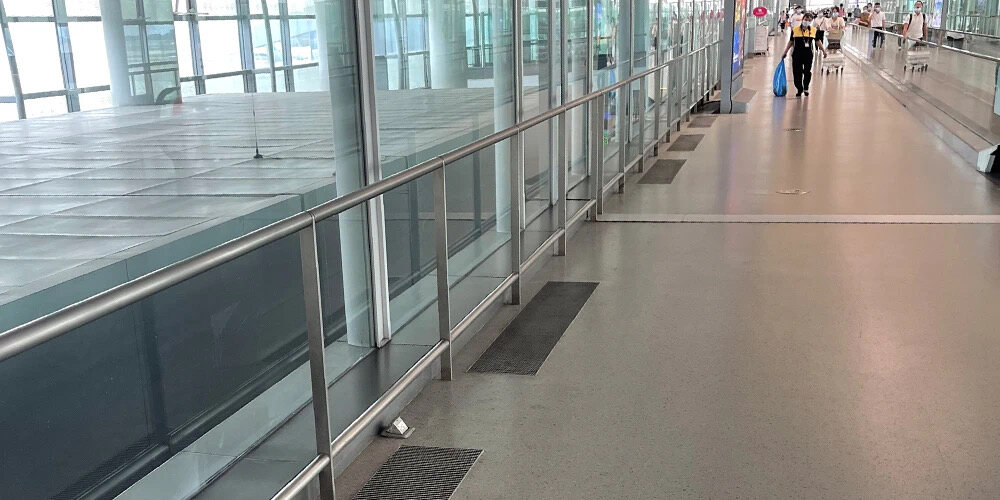
In modern architecture, expansive glass curtain walls and floor-to-ceiling windows offer stunning views but create challenges like uneven indoor temperatures and discomfort near the windows. Traditional overhead air conditioning often results in "hot heads and cold feet" and struggles to counteract heat or cold infiltration from large glass surfaces. A European-originating "invisible" HVAC terminal device—Floor convector, with its unique air distribution method and comfortable experience, has become the preferred solution to these issues.
1. What is a floor convector?
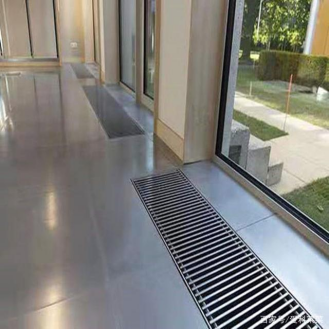
A floor convector is a type ofTerminal units for underfloor air distribution systemsTypically installed by embedding into the ground with water as the medium. It features an integrated high-efficiency heat exchanger and a quiet fan, delivering conditioned air through floor grilles.Bottom-upDelivers air vertically into the room. It provides cooling and heating, plus fresh air circulation and dehumidification—ideal for office buildings, hotels, hospitals, and upscale residences with glass curtain walls or floor-to-ceiling windows.
II. Core Principle: Reverse Thinking for Double Comfort

Its core principle revolutionizes traditional air conditioning's "top-down" airflow by cleverly leveraging the natural law that hot air rises and cold air sinks:
Winter HeatingAir is drawn into the unit, heated via heat exchange with hot water to become warm air, which then flows along the window-side curtain wall.Move UpThis warm air current forms a "thermal curtain" that heats the room, effectively blocks cold outdoor air from entering, and prevents condensation on the glass.
Summer Cooling: The inhaled air is cooled via heat exchange with cold water to become cool air, which then flows upward along the curtain wall toward the ceiling, and subsequentlyNatural Sedimentation and DispersionDistributes air throughout the entire room. This approach prevents cold drafts from blowing directly on occupants, delivering seamless laminar airflow for exceptional comfort.
III. Why It's So Popular: 3 Core Advantages

Ultimate comfort with wind-free experienceIts greatest advantage is the complete elimination of the "drafty" feeling common with traditional air conditioners. Airflow rises slowly from floor level, ensuring uniform temperature distribution and effectively solving stratification issues. Thermal comfort is optimized in the occupied zone (1.2-1.8 meters). For rooms with floor-to-ceiling windows, it directly alleviates discomfort caused by cold or hot spots near the glass.
Energy-efficient and whisper-quiet operation: Since supply air acts directly on the occupied zone, it avoids the energy waste of first cooling or heating the upper room space typical of conventional systems, resulting in greater energy efficiency. Equipment typically usesInline FanOperates with extremely low noise (some models under 35 dB), making it ideal for quiet spaces like bedrooms and libraries.
Discreet and hygienicFully recessed into the floor, this unit features a decorative grille that seamlessly blends with your interior design, saving valuable indoor space and delivering a clean, streamlined look. The ductless design minimizes areas where dust and bacteria can accumulate, while laminar airflow reduces the disturbance of airborne pollutants and allergens—creating a healthier environment.
4. How to Choose: Mandatory vs. Natural
Floor convectors are mainly divided into two types:
Forced Convector: Built-in fan with comprehensive functions; supports cooling, heating, and fresh air. Ideal for various commercial and public buildings.
natural convector: No fan; relies solely on natural convection for heating. Ultra-thin profile as slim as 100mm and completely silent operation, making it ideal for noise-sensitive areas like home bedrooms.
In summaryWith features like "invisible installation, gentle airflow, and uniform temperature distribution," floor convectors perfectly meet modern building demands for comfort, energy efficiency, and aesthetics. Whether you seek an ultra-comfortable home or a business space requiring precise temperature control, it's a smart choice as your "invisible temperature manager."