2026/5/11

Air Conditioning Cools But Doesn't Dehumidify? The Secret Behind the "Dry" Coil in Cleanrooms

Air Conditioning Cools But Doesn't Dehumidify? The Secret Behind the "Dry" Coil in Cleanrooms

When you think of air conditioning, what comes to mind? Is it the cool breeze on a summer day, or the dripping condensation from the outdoor unit?

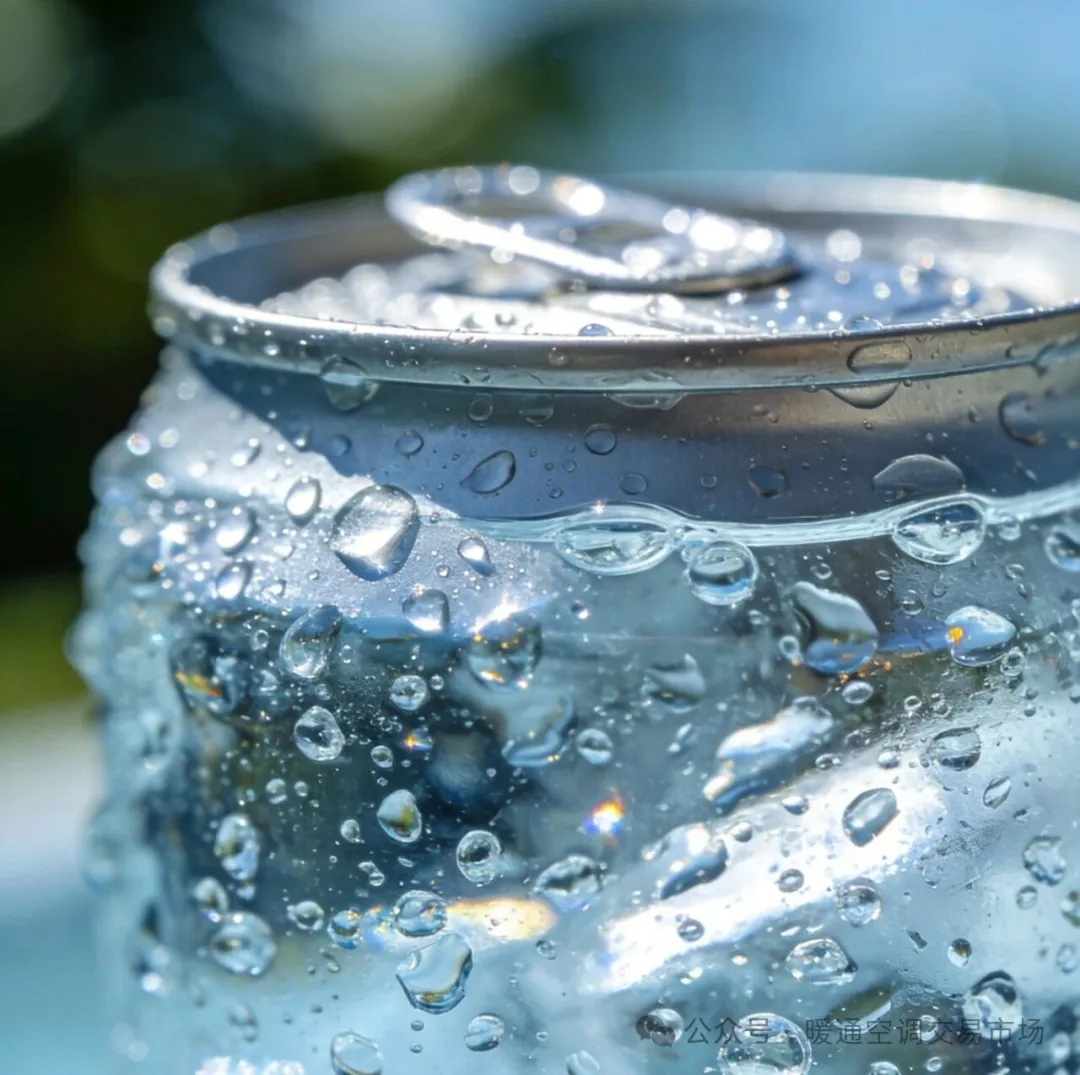
In everyday experience, air conditioning for cooling often goes hand in hand with dehumidification—much like a cold soda can pulled from the fridge quickly developing condensation. However, in high-end industries such as semiconductor chip manufacturing and biopharmaceuticals, such "sweating" air conditioners are strictly prohibited.

This brings us to today's star: ** dry coil **. What makes it so special? How does it keep your air conditioner cooling without the drip?

🤔 What is a dry coil? As the name suggests, it stays "dry."

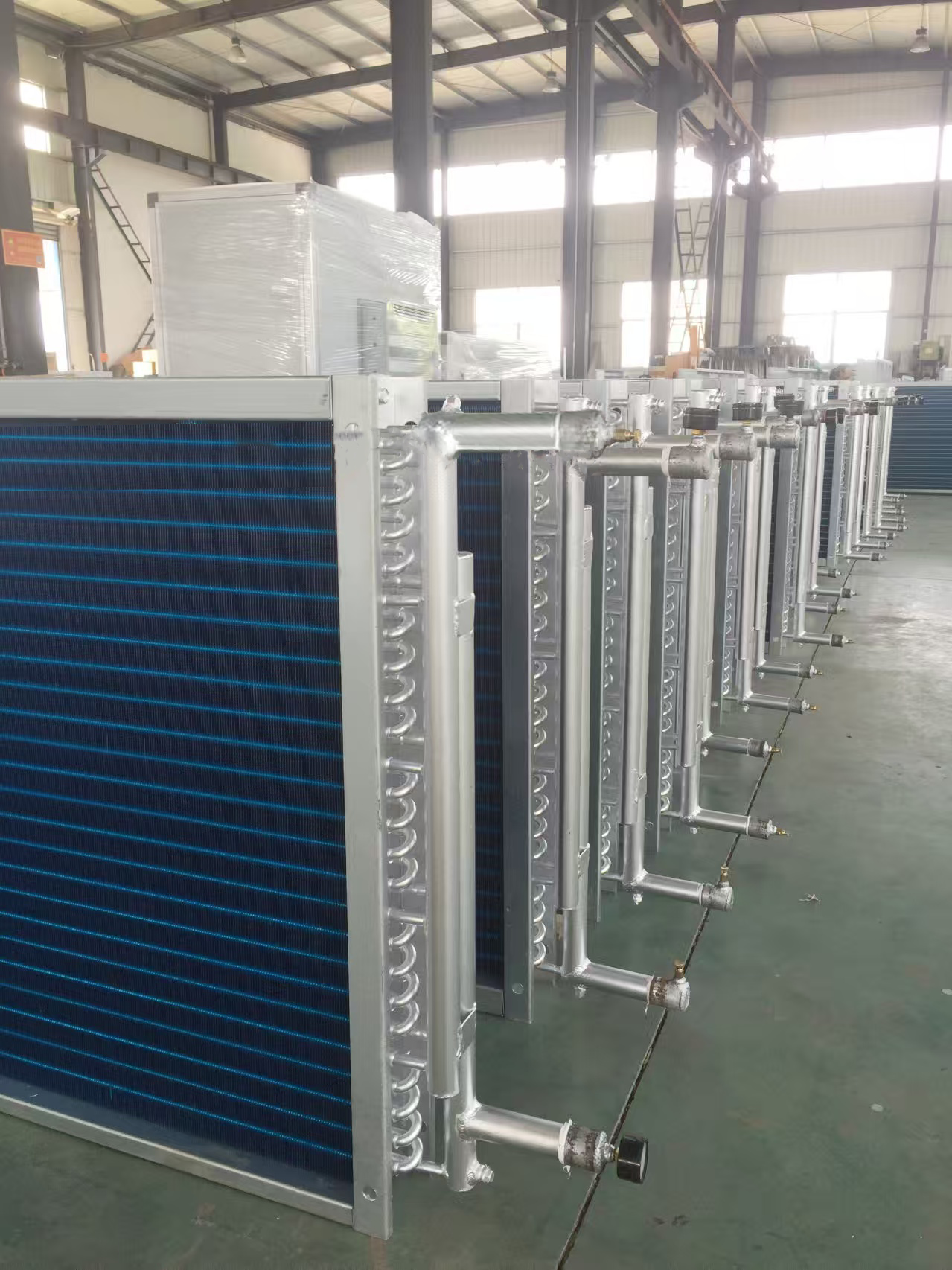
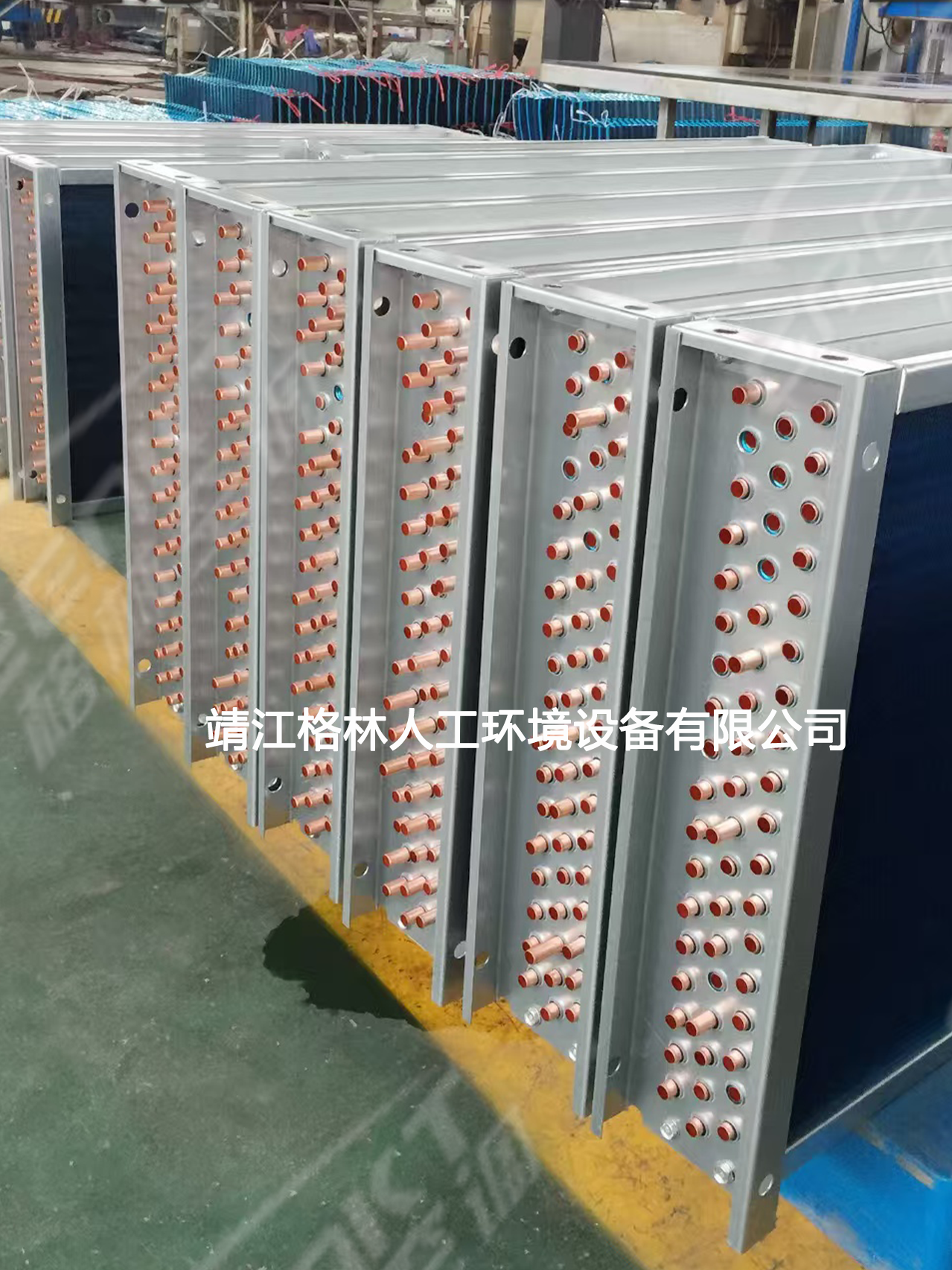
Dry cooling coil. Its core identity lies in the word "dry."

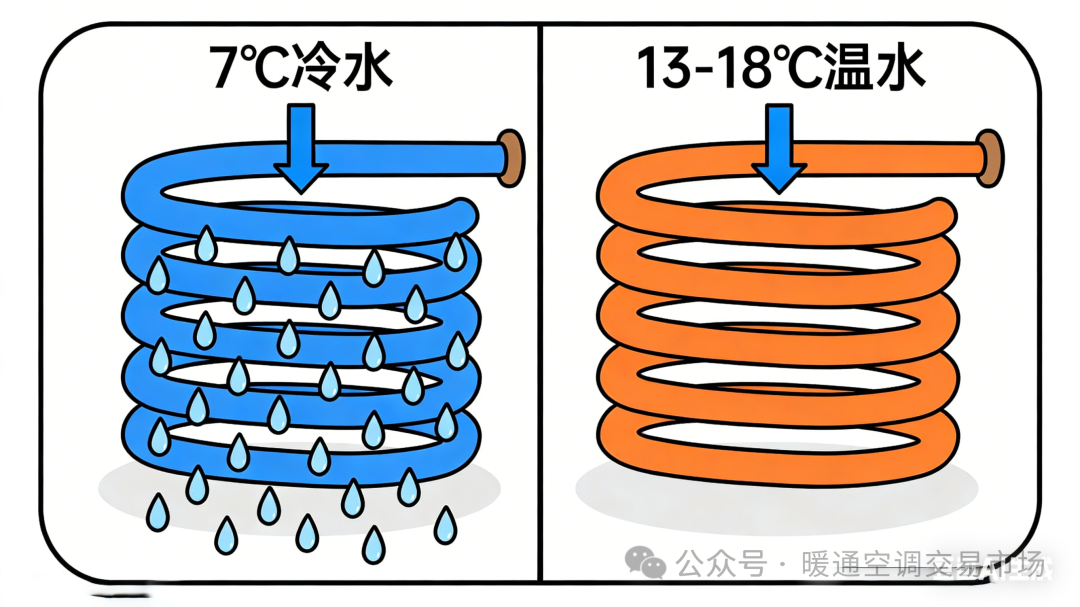
Standard air conditioning terminals (wet coils) cool the air during operation, with coil temperatures typically around 7°C. When warm, humid air contacts these cold surfaces, moisture condenses into water droplets—much like dew on a summer morning. While this process dehumidifies the space, it also creates risks of water leakage and bacterial growth.

The dry coil ** operates with a dry surface, producing no condensation whatsoever. **

🤔 Why isn't it dispensing water? Because its "heart" isn't cold.

You might ask: If it blows cold air, why doesn't it produce water? The answer lies in its design.

  • Standard Air Conditioner (Wet Coil):It has a "cool" temperament, and 7°C cold water flows through it. Upon contact with the air, moisture instantly condenses.

  • Dry Coil:It's a "warm guy" that uses 13°C–18°C medium-temperature cold water. This temperature is cool enough to remove heat and lower the air temperature, but not cold enough to cause moisture in the air to condense (it remains above the air's dew point).

Comparison Criteria

Dry Coil (DCC)

Standard Fan Coil Unit (Wet Coil)

Features and Load

Handles only sensible heat; no dehumidification. Must be paired with a dedicated outdoor air system (MAU).

Simultaneously manages sensible and latent loads for integrated temperature and humidity control.

Operating Conditions

Use chilled water at a higher temperature (e.g., 13-18°C).

Use chilled water at a lower temperature (typically 7°C).

Condensate

Condensation is not theoretically generated. However, to prevent accidental dew formation, a drip pan is typically installed as a safety measure.

Condensation is inevitable; a complete drainage system is required.

Key Benefits

Eliminate risks of leaks and microbial growth; improve cold chiller efficiency for greater energy savings.

High system integration; independently controls temperature and humidity.


So, the dry coil does one thing: ** removes heat (sensible) but not moisture (latent). **

#### How It Works: Finding the Right "Partner"

Since dry coils don't dehumidify, who handles room humidity? This brings us to HVAC's "power duo" strategy: **independent temperature and humidity control**.

Think of it as a highly coordinated division of labor in action:

  • Partner A (Dry Coil):Dedicated to cooling. Mounted indoors, it silently absorbs heat from equipment, lighting, and people to maintain precise temperature control.

  • Partner B (MAU):Dedicated to dehumidification and ventilation. It silently conditions fresh air in the background—drying it out before delivering it into your rooms to maintain optimal humidity and air purity.

One manages temperature, the other handles humidity—each with its own role, operating independently. This is the core intelligence of dry coil systems.

Why the fuss? For ultimate "cleanliness."

You might wonder: why not just use a standard air conditioner that cools and dehumidifies? Why build such a complex system?

In certain fields, **"water" is a disaster. **

  • Chipmaker (Semiconductor):Photolithography is highly sensitive to temperature and humidity. Temperature fluctuations must not exceed ±0.5°C, and condensation is strictly prohibited, as it can cause costly wafer scrap.

  • Pharmaceutical (Biopharmaceutical):Moisture breeds bacteria and mold. Our dry coil surface eliminates microbial growth at the source, meeting the strictest GMP standards.

  • Data Center:Servers are sensitive to both heat and humidity. Dry coil systems provide precise temperature control while eliminating the risk of water damage from leaks.

What sets it apart? It's more than just "dry."

Here are a few compelling reasons to choose dry coils beyond just the lack of water production:

  • More energy-efficient:Since it uses "warm water" above 13°C, the chiller doesn't need to work overtime to produce "ice water" at 7°C. This significantly improves operating efficiency and saves a substantial amount on electricity costs.

  • More Comfortable:The room won't be over-dehumidified, so the air stays comfortable—neither too dry to irritate your throat nor too damp. You'll feel more natural and balanced.

  • Safer:No drip tray means no clogs or overflow worries, making maintenance a breeze.

Dry coils may sound like a cold, industrial term, but they are the unsung heroes behind modern precision manufacturing. By intelligently decoupling temperature and humidity control, dry coils create ultra-stable environments with precise temperature, humidity, and absolute cleanliness.

Next time you use a smartphone powered by advanced chips or take high-quality medication, remember that in invisible cleanrooms, rows of dry coils may be silently safeguarding it all.

Contact Us

View more news

Return to News Center
Su ICP Prep 11090884 No. -3