What's the difference between two-in-one systems and traditional air conditioners? What exactly do they provide?
In recent years, high-end residential properties have increasingly demanded superior indoor environments. Standards such as "constant temperature, constant humidity, constant oxygen, and constant quiet" are now defining the benchmark for luxury homes. As a result, more homeowners are exploring air-source heat pump two-in-one systems. Today, we delve deeper into what "two-in-one" entails.
What exactly is an "air-source heat pump two-way system"?
"Central air conditioning + underfloor heating" two-in-one system is the fourth generation of central air conditioning, following the first-generation window units, second-generation wall-mounted/floor-standing/ducted units, and third-generation refrigerant-based central systems. Its key feature is dual functionality: providing cooling in summer and serving as a heat source for underfloor heating in winter, delivering comfortable warmth in spring and coolness in summer. This replaces the traditional "central air conditioning for cooling + gas boiler for heating" home setup. Industry experts hail this system as a "revolution in heating sources and a revolution in cooling terminals."
Components of the Dual-System Supply
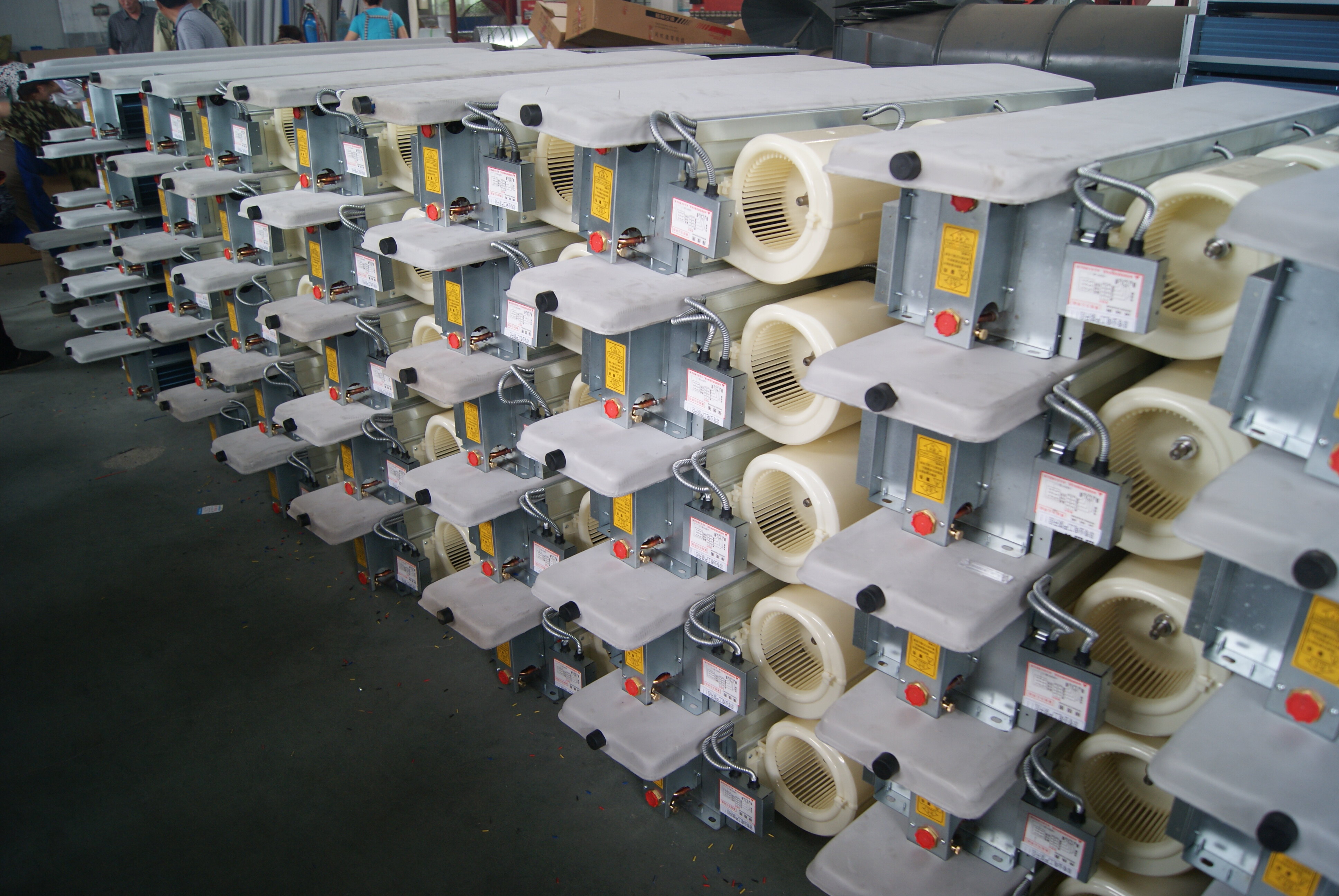
The air-source heat pump heating and cooling unit is a mature technology, which is the key factor enabling this system. The dual-function supply system was initially referred to in the HVAC industry as "one source, two terminals." The "one source" refers to using an air-source heat pump heating and cooling unit for both heating and cooling, while the "two terminals" denote a terminal system combining radiant panels and fan coil units. All indoor areas use water as the heat exchange medium (unlike refrigerant-based systems). In summer, chilled water is supplied directly at low temperatures to fan coil units for cooling. In winter, hot water around 45°C is provided directly by the outdoor unit for underfloor heating. Coupled with the stability of the secondary system featuring a buffer tank and the excellent thermal stability of underfloor heating, the overall system demonstrates high reliability.

This system features flexible end configurations and versatile control options. It supports low-temperature hot water heating at 35°C and chilled water cooling at 10°C, delivering over 50% energy savings compared to central air conditioning systems.
Therefore, the air-source heat pump two-in-one system is a home comfort solution that integrates air conditioning, underfloor heating, and dehumidification. It features high integration, efficiency, comfort, controllable energy savings, and cost-effectiveness. This system is suitable for various building types across most regions of China.
View Host Details
In fact, a careful comparison of host units across different systems reveals that air source heat pumps deliver superior heating performance!
While most people believe that all-in-one central air conditioning systems can theoretically provide both cooling and heating, their primary function is actually cooling. Heating is a secondary feature with inherent limitations: performance drops significantly in winter, especially below 5°C. In such conditions, the system relies heavily on electric auxiliary heating, which consumes substantial electricity. Even when operational, it often blows cold air, resulting in poor comfort.
In the industry, there's a saying about central air conditioning: "Cooling is basic; heating is the real skill." Air source heat pumps, however, are engineered from the ground up—right down to their design standards and component selection—to excel at heating. Let's explore the key differences.
The interim standard for air source heat pump heating units is: "GB/T 25127.2-2010 Air-source heat pumps (chillers) for low ambient temperatures – Part 2: Heat pumps (chillers) for household and similar applications". The standard for vapor-compression chillers with heat recovery (heat pumps) for central air conditioning is: "GB/T 18430.2-2008 Vapor compression cycle water chilling (heat pump) packages – Part 2: Household and similar applications".

The design conditions specified in their respective standards are as follows: the heating nominal operating condition for air-source heat pump heaters has an air-side temperature of "-12℃", while that for VRF central air conditioning systems is "7℃". Air-source heat pump heaters primarily operate under design conditions below 0℃, whereas all design conditions for central air conditioning heating operate above 0℃.
This highlights the fundamental difference between the two: their intended applications. Air source heat pumps are designed specifically for winter heating, while central air conditioning systems prioritize cooling with supplementary heating for moderate temperatures. Though they may look similar, their underlying principles and usage scenarios make them distinct products.
To ensure optimal heating performance, heat pump heating systems use low-temperature vapor-injection compressors specifically designed for heat pumps, whereas central air conditioning units typically employ standard compressors. In addition to the four core components of traditional air conditioners (compressor, condenser, expansion valve, and evaporator), heat pump heating systems generally include an intermediate economizer or flash tank to supply low-pressure, low-temperature refrigerant "vapor" to the vapor-injection compressor.
View System
Underfloor heating is more comfortable than fan coils in winter. Our air-source heat pump two-way system uses underfloor heating for winter heating. This method aligns with the traditional Chinese medicine principle of "warm feet, cool head," providing a pleasant sensation of warmth at the feet and coolness at the head. It prevents the circulation of dusty air, keeping the indoor environment clean. Heat is primarily transferred through radiation, ensuring even distribution from bottom to top. This creates a warm lower zone and a cooler upper zone, matching human physiology for a natural sense of comfort. Enjoy a warmer winter and a more comfortable summer!
Radiant floor heating installed beneath the flooring preserves interior aesthetics, saves indoor space, simplifies decoration and furniture layout, and offers precise temperature control. In terms of energy efficiency, heat pump-based radiant floor systems can reduce consumption by over 50% compared to conventional air conditioning, delivering significant energy savings while being more eco-friendly.
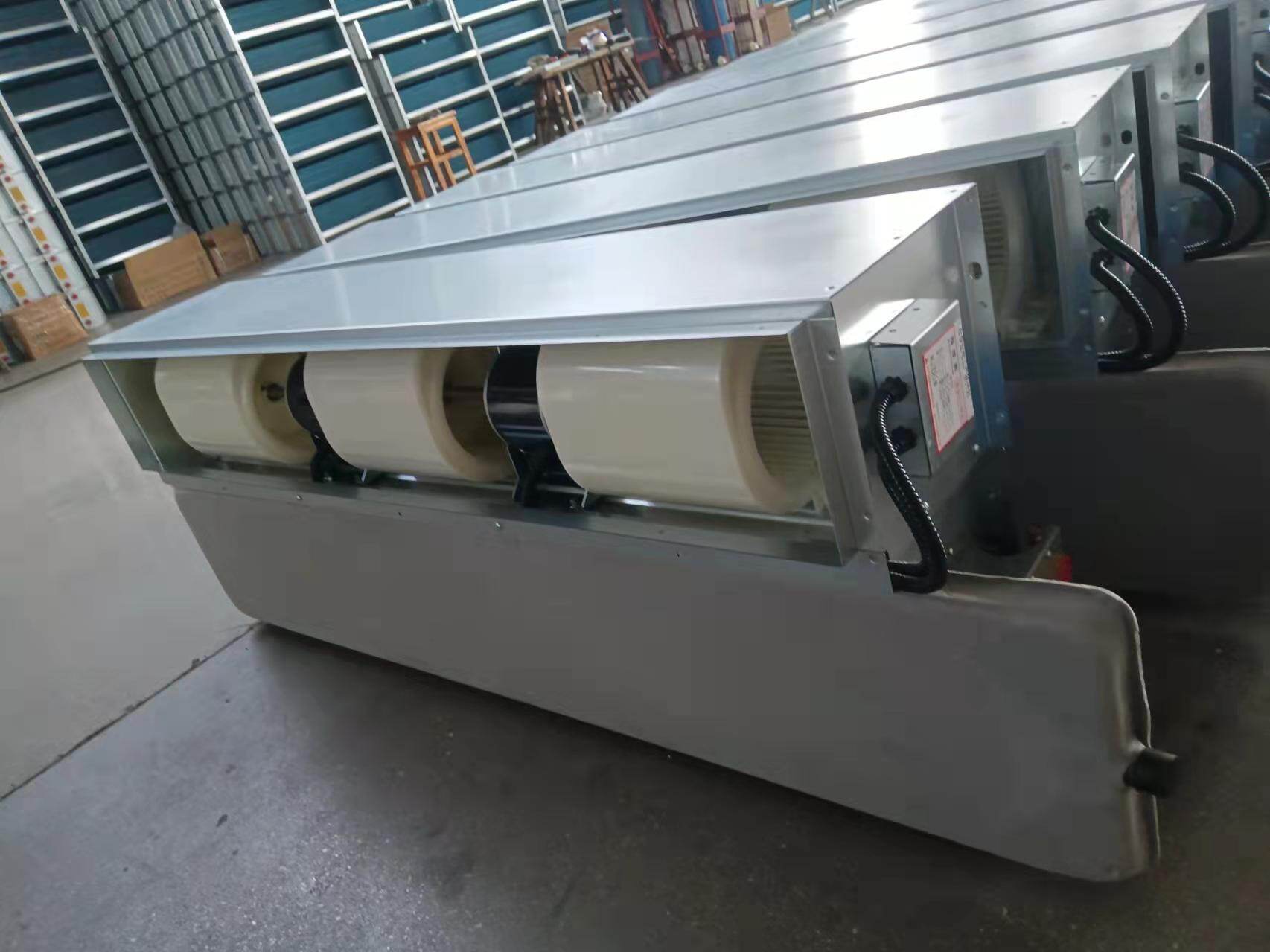
Summer water-based fan coil systems provide a softer experience than direct-expansion (DX) systems. In an air-source heat pump two-in-one system, the summer cooling terminals use fan coils, which are part of a water-based central air conditioning system.
Simple system structure ensures easy maintenance. Concealed fan coil units enhance the aesthetic appeal of central air conditioning. Water-based systems deliver gentler airflow with higher humidity compared to refrigerant-based systems, preventing dry mouth or throat even after prolonged use.
Ideal for spacious homes such as duplexes and villas. Energy efficiency increases with usage, making it perfect for large-area properties.
Review costs last
For large villas, air source heat pump underfloor heating is the better choice. Radiant floor heating offers higher thermal efficiency than convective heating by concentrating warmth at the height where people benefit most. Even with indoor set temperatures 2°C to 3°C lower than those used in convective systems, occupants still experience the same level of comfort. Typically, reducing residential indoor heating temperatures by 1°C can save 10% in energy consumption. That's why "heat pump + underfloor heating saves more money"!
Under the same radiant floor heating system, traditional systems use natural gas for heat. Natural gas is a non-renewable energy source; assuming no thermal losses and an ideal output ratio of 1:1, it means that 1 units of gas can provide at most the equivalent heat of 1 units. In contrast, air-source heat pump HVAC systems utilize low-grade ambient air heat. With minimal electricity as input, just 1 units of electrical energy can absorb over 2 units of air-sourced heat, delivering users with more than 3 times the heat output.
The air-source heat pump two-in-one system consumes roughly the same amount of energy as a standard refrigerant-based central air conditioning system during summer cooling. In winter, however, it achieves a typical coefficient of performance (COP) of 2.5–3.0, delivering 20%–30% greater energy savings compared to conventional heating-and-cooling air conditioners. It is even more energy-efficient than gas boiler heating systems. With tiered natural gas pricing now in effect nationwide, this can translate to cost savings of 40%–50% or more. Air-source heat pump floor heating and air conditioning perfectly aligns with modern home design needs while offering user-friendly and intelligent operation—making it the top choice for heating and cooling large homes and villas.